Bathroom Exhaust Fan Circuitry and Installation Orange County
Moisture control sets the tone for how a bathroom ages. In Orange County, salty air near the coast and high summertime humidity inland can push an improperly vented bath towards peeling paint, inflamed doors, and persistent mildew. A well-sized, properly wired exhaust fan moves that moist air out before it settles into the structure. That is the easy objective, however it takes attention to codes, ducting physics, and electrical information to get it right the first time.
What matters most for Orange County homes
Local building varies a lot. System homes from the 70s and 80s tend to have small, loud fans with undersized ducts. More recent builds are quieter, however many still depend on flexible duct run long and flat across a hot attic, which eliminates air flow. Coastal homes handle corrosion at terminations. Multifamily properties present fire-rated ceilings and limited gain access to. These realities form the technique more than brand do.
The right fan for a Laguna Niguel home is not always the right alternative for an Objective Viejo two-story with three complete baths. Sizing, duct routing, change options, and circuit planning all respond to the layout and the method the household utilizes the room.
Sizing the fan: CFM, sound, and continuous ventilation
Start with air flow. The majority of manufacturers and building regulations reference two ways to ventilate: periodic and continuous. For intermittent operation, a typical general rule is 1 CFM per square foot of bathroom flooring location, with 50 CFM as a practical minimum for little baths. California's embraced requirements likewise look to ASHRAE 62.2 for whole-home and regional exhaust targets. In practice, for a common 5 by 8 bath, 70 to 80 CFM is a practical objective, specifically if the duct course is long or has a number of elbows. For a main bath with a separate tub and shower, 110 to 150 CFM offers headroom.
Noise matters more than many individuals anticipate. A 1.0 sone fan you hardly discover will really get utilized. A 3.0 sone unit will be turned off early or prevented, and the room suffers. Go for 1.5 sones or less for a lot of homes, and below 1.0 sone if the switch will run the fan for 20 minutes after a shower.
If the home currently has a whole-home ventilation strategy, consider a smaller regional fan utilized in tandem with that system. If not, a well-chosen bath fan with a humidity sensor can bring an unexpected quantity of the wetness problem. A skilled residential electrician Orange County homeowners trust will ask about regimens, not just square footage.
Location and layout: where the fan really belongs
Placement is not guesswork. The fan belongs near the wetness source so it catches steam before it spreads. When a bath has a separate shower enclosure, position the fan within a number of feet of the shower door or even straight above the shower if the design is noted for that place with GFCI defense. Over a tub-shower combination, utilize a fan noted for damp areas and offer GFCI security for the fan circuit. Prevent sticking the fan right over a toilet and expecting it to clear the whole room, and do not put it at the far opposite wall from the shower.
Multi-fan strategies often make sense. For a big master bath, one fan near the shower and a 2nd near the tub can work better than a single large unit. If the toilet is in a water closet with a door, offer it its own little fan on a separate control.
Retrofits make complex design. Slab-on-grade homes frequently route ducts throughout the attic to a roofing system cap, which is great if done right. Townhouses may require wall terminations due to shared fire-rated ceilings above. The route to daylight ought to drive last placement, since a short, straight duct often beats a long, tortured path.
Ducting and termination: moving air without losing it
Airflow lives or passes away in the duct. The quietest, strongest fan on paper can move half its rated air when saddled with 25 feet of drooping flex duct and three sharp bends. The repair is basic: keep the run short, increase duct size where the fan enables it, and reduce turns. For most modern-day fans, a 4 inch duct is standard; many high efficiency systems accept 6 inch, which can cut sound and static pressure.
Insulation matters in Orange County attics. Summertime heat bakes the roof deck, and winter season nights bring cool air that condenses moisture in uninsulated duct. Use R-8 insulated flex or metal duct wrapped to R-8 to keep warm, wet air from hitting a cold surface and dripping back through the fan grille. Seal every joint with UL 181 mastic or tape. Do not tire into the attic or a soffit cavity. End outdoors with a proper roof or wall cap that consists of a backdraft damper and birdscreen. For coastal homes, select corrosion-resistant caps and screws.
Wall caps require a little skill. Cut the outside hole easily, flash it effectively, and seal it to the cladding system the way that system anticipates. Stucco requires a bead that ties into the waterproofing layer, not just a smear of caulk. For roofing system caps, use suitable flashings under the shingles with fasteners set and sealed properly. A leading ranked electrical contractor Orange County property owners hire for this work will coordinate with a roofing professional if needed, since a leak-free termination settles more than a minimal CFM increase ever could.
Electrical fundamentals: circuits, security, and conductors
Bathroom electrical wiring is securely regulated for great factors. The normal plan splits lighting and fan loads from the bathroom receptacle circuit, which must be 20 amps and GFCI safeguarded. Code enables lighting and fan to share the 20 amp restroom receptacle circuit in some cases if that circuit serves only that bathroom. Lots of pros still separate them so a GFCI trip at the outlet does not black out the space or eliminate ventilation. Where existing circuitry is limited, an Orange County electrical contractor can examine whether a little rework or a new crowning achievement is the better long-lasting fix.
Wire size tracks amperage. For a normal fan and light, 14 AWG on a 15 amp breaker is great, and 12 AWG on a 20 amp breaker prevails when sharing a bathroom circuit. Combination units with a heat light or integrated heating system frequently draw 10 to 12 amps on their own and require a dedicated 20 amp circuit in 12 AWG, in some cases 2 circuits when the manufacturer defines it. Check out the information plate and guidelines. Do not guess.
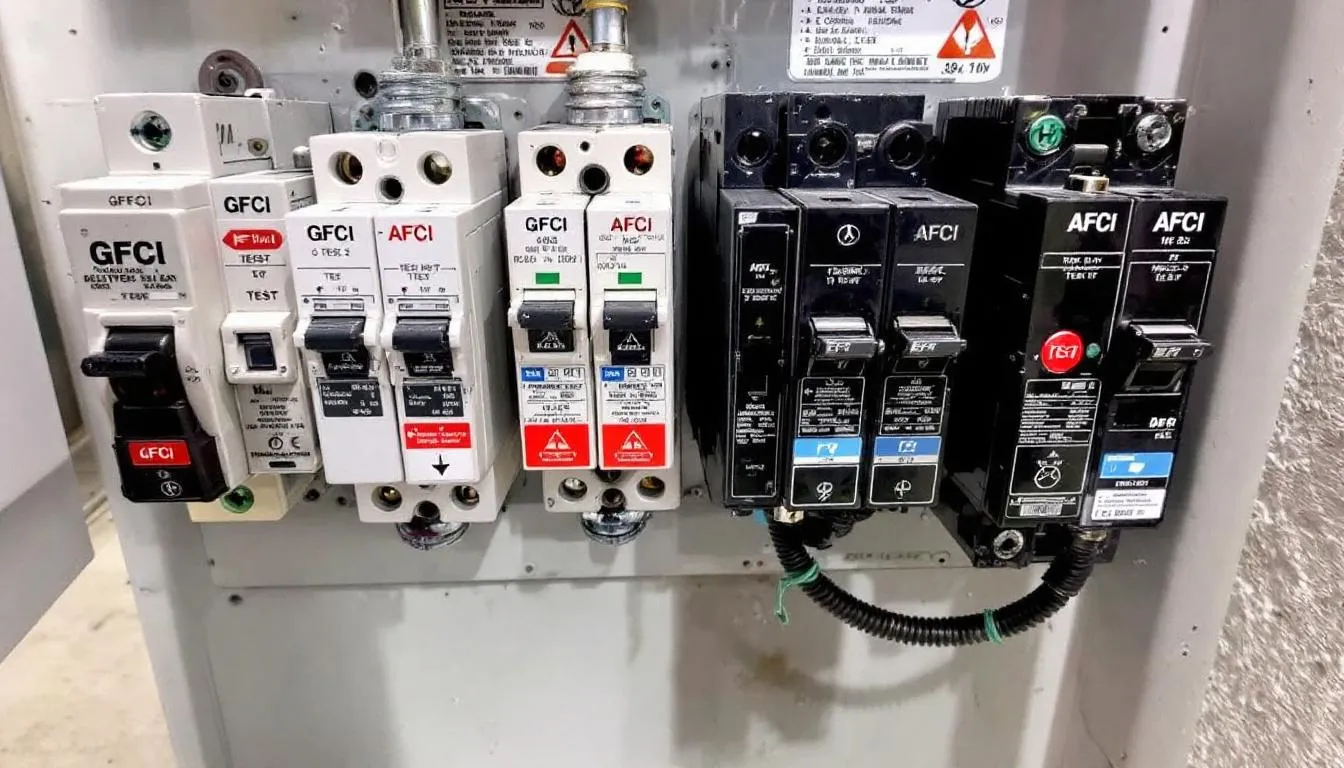
GFCI security is non-negotiable for a fan set up over a tub or shower, and the fan needs to be listed for that area. In basic, a bathroom fan not in the shower zone can be on a standard circuit without GFCI, but many Orange County jurisdictions prefer GFCI for any equipment in bathrooms, and inspectors vary. Arc-fault requirements depend on the adopted code cycle and regional amendments. Some cities in Orange County under the California Electrical Code waive AFCI in restrooms, others desire combination AFCI on the majority of 15 and 20 amp branch circuits. A licensed electrician Orange County homeowners trust will understand the present regional stance.
Bring a neutral to any new wall switch box. Modern code anticipates a neutral in that box for future clever controls, and it keeps options open later on. Ground every metal box and fan real estate with a solid equipment grounding conductor.
Control strategies that really get used
A quality fan does its task just when it runs long enough. Twenty minutes after a hot shower is the usual target. The most convenient solution is a timer switch, either a mechanical spring or an electronic countdown. Humidity picking up switches and fans have enhanced, and much better models prevent the false-on threat when the dishwasher runs or weather condition swings. In hectic households, matching a tenancy sensing unit with a minimum run timer works well for small baths.
Combination fans with integrated LEDs frequently desire a different control for the light. If you want the night-light function, set up a third control or a wise scene so the low-level light runs on a schedule. For a heating unit aspect, put it on its own switch with a pilot indication and consider a thermostat-timer combination so it can not run unattended.
Wiring setups that avoid headaches
Three common setups show up in the field. A single switch for fan and light together is the fastest retrofit. It uses one 2 conductor cable from the switch to the fan-light. Live line to the switch, changed line back to the fan's combined input, shared neutral, and ground. It works, but people often kill the fan early to get darkness back, which beats the moisture goal.
Separate controls for fan and light requirement 3 conductor cable from the switch box to the fan-light unit, with 2 changed legs, a shared neutral, and ground. Many modern-day homes have this currently. If the walls are tiled to the ceiling or gain access to is tight, a surface raceway or a wise control retrofit may be smarter than opening walls.
Heater-light-fan combos differ, however numerous need two circuits and a 3 or 4 gang control. Anticipate at least one 12 AWG 20 amp circuit for the heater, and a different 15 or 20 amp for light and fan. The fan may likewise need GFCI depending upon place. Check out the schematic on the unit's cover and match the conductor colors precisely. When area is tight, a stacked triple switch can bring three controls in a single gang.
A practical retrofit sequence
When a homeowner calls an electrician near me Orange County for a bathroom fan upgrade, here is the bones of a typical retrofit that balances disruption and performance.
- Verify power, locate existing circuit, step load capability, and validate that the brand-new fan fulfills noting for its prepared area. Pull an authorization if needed by the city.
- Open the old fan area from below, examine the joist bay, and map the best duct route to a proper termination. Change old flex with insulated duct sized to the new unit.
- Install brand-new control wiring as needed, bring a neutral into the switch box, and set up timer or humidity control. Safe and secure cables with proper staples, secure within 6 feet of the attic access if exposed.
- Mount the fan to framing, seal the housing flange to the drywall with acoustical or paintable sealant, connect duct with mastic and a full-wrap clamp, then end at a roofing system or wall cap.
- Test airflow, GFCI or AFCI function if present, verify switch logic, and perform a smoke test to confirm the damper opens and draws. Patch any small drywall cuts and set the grille.
That procedure collapses a lot of little choices, like which side of a truss to prefer and how to prevent a fire sprinkler line. The essence is to respect air flow, follow the wiring diagram, and button it up so wetness can not sneak back into the structure.
Common mistakes and how pros prevent them
- Venting into the attic or soffit, which disposes wetness where it can rot wood and feed mold. Constantly end outdoors with a dampered cap.
- Long, kinked duct runs that choke air flow. Keep runs short, upsize to 6 inch when the fan allows it, and get rid of sharp bends.
- Ignoring maker wiring for combo units. Heaters frequently require their own 20 amp circuit in 12 AWG. Do not share neutrals throughout circuits without a common disconnect.
- Skipping GFCI when a fan is above the shower or utilizing a model not rated for wet places. Read the listing label and follow it.
- Choosing a loud low-cost fan that no one will run. Under 1.5 sones is a convenience limit most households appreciate.
Permit, evaluation, and local nuance
Most Orange County cities desire a simple electrical authorization for a brand-new circuit or brand-new bathroom fan when the work includes wiring changes or brand-new terminations. Replacing a like-for-like fan on existing wiring might be considered maintenance, however anytime ducting or termination modifications, the structure department may want to see it. If you live in an HOA, get exterior termination positioning authorized first. Inland cities and coastal towns have a little different rust expectations; stainless screws and aluminum or galvanized caps with an excellent coating last longer near salt air.
California codes update frequently. Lots of jurisdictions now run under the 2022 code cycle, which recommendations existing ASHRAE 62.2 rates for regional exhaust. Intermittent bath fans are generally expected to provide 50 CFM minimum at the grille, and more for larger rooms. That is one reason numerous Orange County electrical repair requires "a brand-new, quiet fan" wind up with a HVI-rated model that can conquer real static pressure rather than a box-store special.
Cost, timeline, and what drives both
An uncomplicated swap of a small existing fan to a quieter, much better model using the same hole and duct might run a couple of hundred dollars in labor plus the system itself. Add a timer switch, and you add modest expense and genuine benefit. The numbers climb when you cut a brand-new opening, run new control cable in finished walls, or add a new 20 amp circuit for a heater-light combo. A multi-story apartment with a wall termination at the 2nd floor can take half a day simply to path and seal the vent safely.
Material choices count. A 110 CFM, 0.8 sone fan with a 6 inch collar and a humidity sensing unit costs more than a 70 CFM, 2.5 sone basic unit. The better one will actually clear steam with less sound, so it provides worth every day. Orange County electrical contractors who set up dozens of these a year tend to keep trusted, peaceful designs on the truck due to the fact that callbacks are costly and track record matters.
An example from the field
A family in Irvine had a primary bath that misted the mirrors for almost an hour every morning. The existing 50 CFM fan tired to the attic and pressed air 10 feet to a soffit vent. We replaced it with a 110 CFM fan ranked at 0.7 sones, upsized the duct to 6 inch insulated flex kept as straight as the framing enabled, and ended through a wall cap with a built-in damper. At the switch, we installed a countdown timer preset to 20 minutes. The mirror cleared in about 7 minutes after showers, and the drywall outside the shower stopped revealing hairline cracking at the corner bead. That job took about four hours start to complete with two techs, consisting of patching a small exploratory hole. Not attractive, however it changed how the space felt.
Smart home combinations that make sense
Smart switches and fans set perfectly when the wiring supports them. A neutral in the box lets you set up a Wi-Fi or Zigbee change that runs the fan immediately after a tenancy occasion. If you currently have clever lighting setup Orange County wide in the home, think about connecting the bath fan to a scene that runs based on shower times. Keep it basic; a reputable countdown that anybody can utilize beats an excessively clever setup no one understands.
Low voltage wiring Orange County jobs sometimes consist of relay-based control of several bath fans in larger homes. With the best design, a central controller can monitor humidity in two baths and cycle the fans to keep building wetness in check. The majority of households do not require that. But in a custom home, it is a cool, effective touch when prepared early.
Working within multifamily constraints
Condos and apartment or condos bring additional restraints: fire-rated ceilings, restricted attic gain access to, and strict guidelines about penetrations. In those buildings, wall terminations are the norm, however they should appreciate the cladding system and any building wrap. Permeating a ranked assembly needs noted firestop products and attention to detail. A commercial electrician Orange County groups rely on for tenant enhancements often handles these systems because the details mirror light industrial work. Expect permits and inspections, and plan more time for HOA coordination.

Why a licensed pro is worth it
Anyone convenient can swap a grille or tidy the blower wheel. Circuitry modifications, new circuits, and exterior terminations are another level. A licensed electrician Orange County citizens hire brings familiarity with local inspectors, understands which fans are genuinely quiet at the grille, and carries the tools to snake brand-new cable without trashing tile. If an electrical panel upgrade Orange County home needs is on the horizon, it can be wise to plan the brand-new bathroom circuits at the exact same time, in addition to EV charger installation Orange County house owners increasingly include. Bundling work decreases license charges and site visits.
Shops that provide exact same day electrical contractor Orange County service can assist with broken fans or noisy bearings, however a complete replacement benefits from a short website see initially. That method, the tech arrives with the right fan, the best duct size, and the correct cap. If you have an emergency electrician Orange County require like a tripping breaker or a burning smell, turned off power and call right away. For prepared https://anotepad.com/notes/cspn2dtm upgrades, a little perseverance and style thought pays off.
If you are searching for the very best electrical expert Orange County has for bath fans, try to find clear interaction, images of similar tasks, and in-depth line items. Budget friendly electrician Orange County does not need to suggest the lowest bid; it implies the bid that fixes the problem without additionals later. A regional electrical contractor Orange County based will understand how to coordinate with your city's structure department, whether you are in Anaheim, Tustin, or San Clemente.
Maintenance and small fixes that matter
Even the very best fan loses efficiency when the grille obstructs with lint. Vacuum it every couple of months. Pull the grille, disconnect the fan module if it has a quick-release, and brush dust off the blades. Inspect the backdraft damper from the attic or outdoors and ensure it swings easily. If you hear a rattling noise, a loose mounting screw or a kinked duct close to the fan real estate is a common perpetrator. Lots of Orange County electrical fixing require "the fan is loud now" end with a 15 minute cleaning and a small duct adjustment.
If the fan hums however does stagnate much air, either the duct is crushed or the old fan's motor is tired. Little shaded pole motors lose torque in time. Replacing the entire unit with a contemporary ECM-driven fan offers you more air for the exact same wattage and far less noise.
Tying it together with the remainder of the house
Upgrading a bath fan is a little project with an outsized quality-of-life impact. It likewise dovetails with other improvements. If you are already preparing recessed lighting Orange County operate in the bath, collaborate the fan positioning to avoid duct clashes with can light clearances. If you plan outdoor lighting Orange County updates, include the wall cap work to the exact same exterior day. If you are doing generator setup Orange County broad or panel replacement Orange County upgrades, have the contractor reserve a spot for a devoted heating system circuit to a future combo unit. Entire home rewiring Orange County tasks make restroom ventilation painless because everything is currently open and accessible.
For homeowners who desire a direct, tidy job with no surprises, employ a trustworthy Orange County electrical contractor, talk through the information, and ask for model numbers and a duct strategy. When the fan is peaceful and the mirror clears quickly, you will discover the outcome every morning. And if you ever need help after hours, it is good to understand a 24 hr electrical contractor Orange County group that can get you back on track quickly.